

2026 University of Arizona Distinguished Faculty Awards
We are proud to honor 25 exceptional faculty and mentors whose outstanding contributions have been recognized through 13 prestigious University-wide awards. These eminent faculty have been chosen for their remarkable achievements in research, teaching, service, mentoring, administration or cooperative extension by committees composed of distinguished faculty.
University Distinguished Awards
University Distinguished Professor Awards
Anna Ochoa O'Leary
Department Head and Professor, Mexican American Studies, College of Social and Behavioral Sciences

Dr. Anna Ochoa O'Leary, is Professor and Department Head. She received her doctorate in Anthropology from the University of Arizona. Her dissertation, "Investment in Female Education as an Economic Strategy among U.S.-Mexican Households in Nogales, Arizona," was supported by NSF funding. Since 2002, she has taught a range of classes for the Department. Currently, she teaches two graduate classes, Mexican Migration, and the Feminization of Migration, and an undergraduate class, Latin American Migration and the Remaking of the U.S.
She has a text book to her credit, a Chicano Studies textbook based on her teaching Overview of Mexican American Studies (MAS 265), which was published in 2007 by Kendall Hunt Publishing. More recently, she co-edited Unchartered Terrain: New Directions in Border Research Method and Ethics. (University of Arizona Press, 2013) and is editor of Undocumented Immigrants in the United States Today: An Encyclopedia of their Experiences (ABC-CLIO/Greenwood Press, 2014).
Dr. O'Leary is twice a Fulbright Scholar for research on repatriated migrant women (2007-2008), and for research on returned immigrant youth and educational goal setting (2021-2022). She was also Public Voices "Thought Leader" Fellow for 2014-2015, and Academic Leadership Fellow in 2015-2016. Her current research and teaching interests continue to focus on the undocumented immigration to the US, education, culture and urban politics of Mexican/U.S.-Mexican populations, the political economy of the U.S.-Mexico border, and gender issues. Her community activities include participation in several non-profit community-based groups, such as the Coalición de Derechos Humanos and Fundación México.
Heidi Brown
Program Director and Professor, Epidemiology and Biostatistics, Mel and Enid Zuckerman College of Public Health

Since joining the Arizona in 2013, she has taught multiple courses within the department, both within the undergraduate Public Health core and graduate and undergraduate electives Over the years, she has engaged 28 undergraduate preceptors into her teaching team and advised multiple undergraduate students through honors thesis, UROC, UBRP, FRONTERA, and Step-Up. She has served on 15 doctoral committees (chairing 2) and 9 MS (chairing 4) and 27 MPH committees (chairing 17).
Her research focuses on how the environment we live in affects health, with three general areas: vectorborne disease dynamics, infectious causes of cancer, and climate hazard resilience. As an assistant professor, she was awarded the competitive K01 award from the NIAID to conduct experi- ments into mosquito flight at Biosphere-2 and, with a partner in Mathematics, she won the 2013 DARPA Chikungunya Forecasting Challenge. She maintains an active research portfolio of transdisciplinary projects supported by the National Cancer Institute, the Centers for Disease Control and Prevention, National Oceanic and Atmospheric Sciences, National Science Foundation, and the Department of Energy. She enjoyed interdisciplinary work with collaborators in Departments all across campus, across the US and in the U.K., France, Germany, and Brazil.
University Distinguished Outreach Faculty Award
Brian Mayer
Professor, Sociology, College of Social and Behavioral Sciences

Dr. Brian Mayer is a renowned sociologist whose research focuses on the social production of environmental health risks and the complex intersections of science, policy, and medicine. His work examines how communities identify, contest, and address environmental problems, emphasizing the role of activism and local participation in managing potential health risks. A leader in environmental sociology, Dr. Mayer has conducted influential studies that highlight the power of community-based science. His research consistently seeks to bridge the gap between academic inquiry and real-world impact, empowering communities to play an active role in addressing environmental health challenges.
Dr. Mayer's recent projects reflect his commitment to collaborative, participatory research. He led a National Institute of Environmental Health Sciences-funded study on the long-term psychosocial and community health impacts of the BP Oil Spill in the Gulf of Mexico, revealing how disasters affect the social fabric of affected regions. Another of his projects, funded by the National Science Foundation, explored the interactions between labor and environmental social movement organizations, shedding light on the dynamics of collective action in addressing shared challenges. Additionally, his work investigating the use of community-based science in social movement organizations underscores his dedication to equipping communities with the tools to advocate for change. Central to Dr. Mayer's research methodology is community-based participatory research (CBPR), a collaborative approach that actively engages local stakeholders throughout the research process. This method not only enriches his findings but also ensures that the voices of those most affected by environmental health risks are heard and respected.
By fostering partnerships between researchers and communities, Dr. Mayer has demonstrated the transformative potential of inclusive, participatory research. Dr. Mayer’s work has had far-reaching impacts, advancing both the field of environmental sociology and the communities he studies. By combining rigorous qualitative research methods with a deep commitment to social justice, he has illuminated pathways to addressing some of today’s most pressing environmental health challenges. Through his research, teaching, and mentorship, Dr. Brian Mayer continues to inspire a new generation of scholars and activists dedicated to building healthier, more equitable communities
Elise Gornish
Extension Specialist and Professor, School of Natural Resources and the Environment, College of Agriculture, Life and Environmental Sciences

Dr. Elise Gornish is a Cooperative Extension Specialist in Ecological Restoration at the University of Arizona, as well as Director of the University of Arizona's Desert Laboratory on Tumamoc Hill. Her work largely focuses on identifying strategies for successful restoration in arid land systems and integration of restoration approaches into weed management. Originally from New York, Dr. Gornish received her M.S. and Ph.D. from Florida State University in 2013. She then completed a postdoctoral research fellowship at the University of California, Davis before becoming a Cooperative Extension Specialist in Ecological Restoration there, then moving to UA. In this career, Dr. Gornish has given hundreds of presentations, led a similar amount of workshops and other outreach activities, oversees a variety of web-based outreach platforms, and serves on the boards of over a dozen organizations to foster connections between science and practice. In addition to vegetation management, Dr. Gornish is passionate about STEM inclusion and is the Director of UA GALS (Girls on outdoor Adventure for Leadership and Science). This program focuses on providing science learning and leadership opportunities to traditionally under-served female high school students through backcountry adventures focused on environmental education. Her leadership of the Desert Lab also focuses on bringing science and ecological restoration to life for everyone who lives in the Sonoran Desert.
John Ruiz
Professor, Psychology Department, College of Science

Dr. John M. Ruiz is a Professor of Clinical Health Psychology in the Department of Psychology at the University of Arizona with additional appointments in the UA Cancer Center, Public Health, and Family Studies and is a member of numerous centers throughout campus. He is a population health scientist with a program of research emphasizing prevention, resilience, and equity. His NIH-funded research examines relationships between individual level psychosocial factors, social behaviors, and cardiovascular and cancer diseases. In addition, Dr. Ruiz has recognized expertise in sociocultural aspects of racial/ethnic health disparities.
Dr. Ruiz has a significant record of department, institution, community, and national service with a focus on academic and health equity leadership. He is the recipient of the 2024 Segundo de Febrero Henry “Hank” Oyama Community Partnership Award from Amistades, a local 501c3 for his community health efforts in Southern Arizona. Nationally, Dr. Ruiz is the current Editor-In-Chief of APA’s Health Psychology (2023-2028) and he serves as the 2025 Chair-Elect of APA’s Council of Editors which oversee the 90+ journals in the APA portfolio. He has active leadership roles in multiple professional societies including as Past-President of the Behavioral Medicine Research Council (BMRC). Dr. Ruiz serves on the editorial boards of several journals (Journal of Latina/o Psychology, Health Psychology, Annals of Behavioral Medicine, Journal of Behavioral Medicine), is a past associate editor for 4 journals (PLOS One, Cultural Diversity and Ethnic Minority Psychology, Journal of Research in Personality) including Senior Associate Editor of Annals of Behavioral Medicine, and has guest edited several special issues.
Dr. Ruiz is also a leader in the push for health equity as Past Chair for APA’s Committee on Socioeconomic Status (CSES), member of the inaugural APA Health Equity Committee, and appointment to the 2021 APA Presidential Task Force on Health Equity for which he received a 2021 APA Presidential Citation. He is a permanent member of the NIH Behavioral Medicine Interventions and Outcomes (BMIO) study section, and he served on the external advisory board for NIH’s Science of Behavior Change (SOBC) effort. In 2022, Dr. Ruiz began a 4-year, federal appointment to serve on the 16-member, US Preventive Services Task Force (USPSTF) which helps to guide national healthcare policy through its recommendations.
Beatrice Dupuy
Professor, French and Italian | Public and Applied Humanities, College of Humanities

Béatrice Dupuy is Professor of French, Public and Applied Humanities, and Second Language Acquisition and Teaching at the University of Arizona.
She is Director of the Center for Educational Resources in Culture, Language, and Literacy (CERCLL), a Title VI Center funded by the U.S. Department of Education. Since 2006, CERCLL serves as a unique local, regional, and national resource that provide high quality, evidence-based, and cost-effective language instructional materials. She has also served as Chair (2015-2020) of the Interdisciplinary Ph.D. Program In Second Language Acquisition and Teaching (SLAT) and Director of the French Language Program (2002-2015).
Her recent co-edited publication, The Handbook of Language Program Development and Administration (Routledge, 2025), includes fifty-two chapters that provide a research-based yet practically relevant treatment of key issues in program development and administration, which holds an important role in the field of applied linguistics: "Second language program development and administration is a long-standing area within the larger field of applied linguistics. In many ways, it is the quintessential applied linguistics field, as it crosses disciplinary boundaries while balancing the rigors of scholarly inquiry with the demands of practical application without losing sight of concrete learner outcomes."
Her co-authored book, A Multiliteracies Framework for Collegiate Foreign Language Teaching (Pearson, 2015) makes the case for literacy as a response to recent calls for change in collegiate language programs and a foundation on which to build broad and coherent curricula, instructional approaches, and assessment practices. The same line of research led to several articles.
Until 2010, she was on the Board of Directors of the Extensive Reading Foundation. She currently sits on the editorial board of Foreign Language Annals and the Scientific Committee of Apprentissage des Langues et Systèmes d’Information et de Communication (ALSIC).
Bruce Tabashnik
Department Head and Regent's Professor, Entomology, College of Agriculture, Life and Environmental Sciences

Bruce Tabashnik is Regents Professor and Head of the Department of Entomology at the University of Arizona. During his 29 years as Department Head at UA, the department has consistently ranked among the top entomology departments in the U.S. This reflects its outstanding research, instruction, and Extension programs, including the wildly popular Arizona Insect Festival and the Insect Discovery Program that has engaged over 40,000 schoolchildren from underserved communities. The department is also known for being exceptionally collaborative, collegial, and inclusive.
Born in Detroit, Bruce received his B.S. in Zoology at the University of Michigan. After his undergraduate studies, he worked on a communal farm and traveled in Africa, witnessing poverty and hunger. This journey spurred his passion to develop sustainable, environmentally friendly tactics for controlling insects, our major competitors for food. Tabashnik completed his Ph.D. in Biological Sciences at Stanford University, elucidating what makes some insects become pests. In postdoctoral research at Michigan State University, he used computer modeling to develop the theoretical framework for managing evolution of resistance that has been applied widely in agriculture as well as in medicine.
From 1983 to 1996, he was a faculty member at the University of Hawaii where he discovered and characterized the first case of field-evolved insect resistance to the bacterium Bacillus thuringiensis (Bt). Bt is the the world’s most widely used biopesticide because of its efficacy against pests and safety for humans and wildlife. In 1996, Bruce began his position as Department Head at UA and focused his research on the pink bollworm, a global cotton pest that had plagued farmers in the U.S. and Mexico since it invaded both countries a century ago. He was one of the leaders of the multi-institutional team that eradicated pink bollworm from the U.S. and Mexico, for which he received awards from the USDA and the Entomological Society of America (ESA).
Tabashnik’s 413 scientific publications have been cited over 39,700 times (h-index = 102). His many honors include election to the National Academy of Sciences; Fellow of AAAS, Entomological Society of America (ESA), and the Royal Entomological Society; Lifetime Achievement Award, ESA; and the International Scientific Prize for Agriculture and Food.
Bruce lives in Tucson with his wife Andrea and son Gabe. He swims daily and loves hiking, photography, and travel.
Craig Aspinwall
Department Head and Professor, Chemistry & Biochemistry, College of Science

Dr. Aspinwall has served as Department Head in the Department of Chemistry and Biochemistry since 2020. His academic career spans over two decades at the University of Arizona, where he has been a faculty member since 2002. He is also a Professor at the BIO5 Institute and the University of Arizona Cancer Center, contributing to interdisciplinary research and education.
Professor Craig Aspinwall is a distinguished chemist with analytical chemistry, biomedical engineering, and translational research expertise. He earned his B.S. in Chemistry from Berry College (1994) under the mentorship of Prof. Larry G. McRae. He completed his Ph.D. in Analytical Chemistry at the University of Florida (1999), where he investigated insulin secretion mechanisms under Prof. Robert T. Kennedy.
Dr. Aspinwall's research has earned him numerous accolades, including the NSF CAREER Award, the ACS Division of Analytical Chemistry Award for Young Investigators in Separations Science, and election as an IUPAC Young Observer. He has also been recognized as a University Honors Professor multiple times and has actively contributed to advancing analytical chemistry through editorial and advisory roles.
In addition to his scientific contributions, Dr. Aspinwall is deeply committed to mentorship and fostering innovation, empowering students and trainees to become future scientific leaders. Equally devoted to supporting faculty, staff, and students, he works tirelessly to ensure their success at every level—within the department, across the college, and throughout the university.
Elizabeth Hall-Lipsy
Associate Dean of Academic and Faculty Affairs; Associate Professor of Practice, Department of Pharmacy Practice and Science, R. Ken Coit College of Pharmacy

Elizabeth A. Hall-Lipsy, JD, MPH, is Associate Dean of Academic and Faculty Affairs and Associate Professor of Practice in the Department of Pharmacy Practice and Science at the University of Arizona R. Ken Coit College of Pharmacy. Prior to her appointment as Associate Dean in November 2025, she served as Assistant Dean of Academic Affairs and Assessment (2022–2025) and has held progressive staff, faculty, and administrative roles at the University of Arizona since 2008.
Elizabeth directs several signature initiatives that broaden access to pharmacy education and prepare graduates for complex, team-based care. Since 2017, she has led the college’s PharmD Forward Programs, overseeing external dual-degree pathways including PharmD–MBA, PharmD–MPH, PharmD–JD, PharmD–MSN/FNP, and PharmD–MLS, as well as graduate certificates in Health Law for Health Professionals and Regulatory Science. She also serves as Director of the Health Disparities Professional Certificate and directs the Rural Health Professions Program from 2008-2025, supporting longitudinal learning experiences that advance rural practice readiness and health equity.
With formal training in biology, public health, and law, Elizabeth brings an interdisciplinary perspective to education and scholarship. She earned a BS in Biology from Pepperdine University, an MPH in Community Health and Policy, and a JD both from the University of Arizona. Her scholarly work focuses on rural health workforce development, medication therapy management and chronic disease care in underserved communities, health disparities, and the legal and regulatory dimensions of pharmacy and public health. Her publications span pharmacy education, rural health policy, mHealth equity, and practice-based research networks.
A committed advocate and community partner, Elizabeth has held major leadership roles within the Arizona Rural Health Association, including President, and continues to serve as Secretary of its Board of Directors. Nationally, she is a past National Rural Health Association Policy Fellow and current mentor. At the University of Arizona, she serves on institution-wide committees in assessment, career-track faculty affairs, academic integrity and conduct, and LGBTQ+ health.
Her contributions have been recognized with honors such as the Theodore Tong Distinguished Leadership and Service Award and the Schnellmann Family Faculty Award (2024), along with the Arizona Rural Health Association President’s Award (2022).
Elizabeth Oglesby
Associate Professor, School of Global Studies, College of Social and Behavioral Sciences

Dr. Oglesby is a critical human geographer with a joint appointment as Associate Professor in the School of Global Studies and the School of Geography, Development & Environment, in the College of Social and Behavioral Sciences (SBS). Her areas of expertise include human rights, forced displacement and migration, international development, and transitional justice, particularly in Central America.
She has built an outstanding public service and outreach record since coming to the University of Arizona in 2002, with high-impact practices at every level, from the U of A campus and campus-community partnerships, to national and international human rights collaborations. In 2015, she received the American Association of Geographers’ most prestigious Public Service Honors in recognition of her contributions to human rights research and practice.
Dr. Oglesby is well known for her contributions to international human rights research and outreach. She is a world-renowned expert on the genocide in Guatemala, and she is recognized for her key role as an expert witness in the Guatemalan genocide trials and other international human rights cases.
In Spring 2025, in recognition of her exemplary outreach work, Dr. Oglesby received the Distinguished Faculty Outreach Award from the College of Social and Behavioral Sciences. She has been recognized for her enriching integration of outreach and teaching. She received the Excellence in Advising and Mentoring Award from the University of Arizona Honors College in 2013, as well as two SBS Excellence in Upper Division Teaching awards (2015, 2022). In 2022, she received the inaugural Teaching Award from the international Conference of Latin Americanist Geographers.
Through her faculty position in the Center for Latin American Studies (within the School of Global Studies), Dr. Oglesby has organized more than 100 outreach activities, including large, high-profile events with leading international human rights leaders reaching thousands of people in southern Arizona every year. She is a prolific public writer and speaker, and in 2018, the international Latin American Studies Association asked her to be its media spokesperson on U.S. border issues. She collaborates deeply with organizations in southern Arizona through impactful student internships, community-based lectures and seminars, K-12 curriculum, and innovative dissemination of her knowledge and research.
Midcareer and Early Career Distinguished Faculty Awards
Bo Guo
Associate Professor, Hydrology and Atmospheric Sciences, College of Science

Dr. Bo Guo is a computational hydrologist focusing on understanding and predicting the movement of fluids, solutes, and particles through the pore spaces of soils and rocks. His work integrates rigorous theoretical analysis with development of practical computational tools to address critical environmental and energy challenges in the Earth’s subsurface, including cleanup of soil and groundwater contaminants, hydrocarbon recovery from shale formations, geological storage of CO₂, and advancing critical zone science.
Dr. Bo has published 61 peer-reviewed papers (54 since joining UA) in leading journals such as PNAS, Geophysical Research Letters, Water Resources Research, and Environmental Science & Technology. Alongside his fundamental contributions, his work has made important direct societal impacts. His group developed PFAS-LEACH, a suite of practical modeling tools now widely used by practitioners and government agencies worldwide to characterize and manage PFAS-contaminated sites. He has led/co-led 16 research projects totaling $9.6 million in funding ($3.7 million as PI), including a $1.34 million project from the U.S. Dept. of Defense that funded the development of PFAS-LEACH and NSF CAREER Award. Since 2018, Bo has given 23 invited talks (including two keynote/plenary talks) at international conferences and 48 invited seminars at research institutions. In 2024, Bo received the prestigious Humboldt Research Fellowship for Experienced Researchers (Germany).
Bo has advised 1 research scientist, 2 postdocs, 8 PhD and 5 MS students and has served on 20 PhD and 4 MS committees in addition to mentoring his own students. His graduate mentees have received a total of 31 awards/scholarships at department, college, and international levels. He is also a founding instructor of new HAS’s hydrogeology MS program, playing a central role in shaping its curriculum and academic direction. Most recently, he received the 2026 Galileo Circle Curie Award, recognizing him as a rising star whose innovative work is advancing the scientific community.
Bo serves as Editor of Hydrology & Earth System Sciences and Associate Editor for Water Resources Research and J. of Hydrology. He is Chair of the AGU Groundwater Technical Committee and Chair of the Membership Committee for Intl. Society for Porous Media (InterPore). Bo organized and chaired the 25th Computational Methods in Water Resources (CMWR) Conference, held in 2024 at UA with over 230 participants from 26 countries.
Mohammed Hassan
Associate Professor, Physics, College of Science

Dr. Mohammed Hassan is an Associate Professor of Physics at The University of Arizona (UA). He received his Ph.D. in 2013 from the Max Planck Institute for Quantum Optics in Munich, Germany, where he conducted research under Prof. Ferenc Krausz (Nobel Laureate, 2023). Following his doctoral work, he joined the California Institute of Technology (Caltech) as a postdoctoral scholar in the group of Prof. Ahmed H. Zewail (Nobel Laureate, 1999), continuing his research there until 2017.
Dr. Hassan is internationally recognized for pioneering attosecond electron microscopy and for developing the “Attomicroscope,” the world’s fastest electron microscope capable of imaging electron motion in real time. This breakthrough established a new frontier in ultrafast imaging and enabled direct visualization of electron dynamics in solids, significantly advancing the fields of quantum science and ultrafast materials research.
His group demonstrated the first petahertz quantum phototransistor, capable of switching within 630 attoseconds—equivalent to a switching frequency of 1.6 petahertz. This achievement represents a major step toward next-generation light-driven ultrafast electronics. Most recently, Dr. Hassan has achieved attosecond all-optical switching and quantum current switching, setting a world record for switching speed. His work also includes innovative methods for digitally encoding information onto ultrafast laser pulses, sampling laser light fields on the attosecond scale, and measuring electron response delays in neutral matter.
Dr. Hassan’s research group has also made major contributions to ultrafast quantum optics, including the demonstration of amplitude-squeezed quantum light and its application to secure, high-speed quantum communication technologies. Earlier in his career, he developed the light field synthesizer, which enabled the generation of the first optical attosecond pulse—the shortest light pulse ever measured and recognized by the Guinness World Records.
Dr. Hassan received the 2025 Microscopy Today Innovation Award for the Attomicroscope, a distinction recognizing innovations of major impact within the global microscopy and microanalysis community. His additional honors include the International Max Planck Fellowship (2009), the Air Force Young Investigator Award (2019), grants from the Gordon and Betty Moore Foundation (2018) and the W. M. Keck Foundation (2019), and the AFOSR Director’s Research Initiative Award and HBCUs/MSIs Award.
Stephanie Carroll
Associate Professor, Community, Environment and Policy, Mel and Enid Zuckerman College of Public Health

Dr. Stephanie Russo Carroll, DrPH, MPH, is a Tenured Associate Professor in the Mel & Enid Zuckerman College of Public Health at the University of Arizona, promoted to this rank in 2023. She also serves as an Associate Research Professor in the Udall Center for Studies in Public Policy and as Director of the Collaboratory for Indigenous Data Governance. Dr. Carroll is a Dene/Ahtna scholar and citizen of the Native Village of Kluti-Kaah in Alaska.
Dr. Carroll is an internationally recognized leader in Indigenous Data Sovereignty (IDSov) and ethical research governance. Her interdisciplinary scholarship bridges public health, Indigenous governance, research ethics, and emerging technologies. She is widely known for her foundational role in developing and advancing the CARE Principles for Indigenous Data Governance, which have transformed data ethics and stewardship across governments, universities, publishers, and global research infrastructures.
Her leadership extends across major national and international initiatives. Dr. Carroll co-developed the CARE Publishing Guidelines, the CARE Data Maturity Model, and multiple tools that guide ethical data practices in diverse fields. In 2025, she chaired the working group that created the first-ever international IEEE standard for documenting the provenance of data related to Indigenous Peoples, a landmark contribution influencing AI development, genomics, digital systems, and scientific research worldwide.
Committed to training the next generation of Indigenous scholars and practitioners, Dr. Carroll mentors undergraduate students, graduate students, postdoctoral fellows, and junior faculty, fostering relational, community-centered approaches to scholarship. Her contributions to leadership and mentorship have been recognized by the University of Arizona through her selection as a Women of Impact honoree.
Through her research, policy engagement, and global leadership, Dr. Carroll advances sovereignty-driven, ethical, and community-grounded approaches to public health and data governance, positioning the University of Arizona as a national and international leader in this rapidly evolving field.
Debankur Sanyal
Assistant Professor, Environmental Science, College of Agriculture, Life and Environmental Sciences

Dr. Sanyal is currently Assistant Specialist and Assistant Professor, Soil Health and Assistant Professor, Department of Environmental Science, University of Arizona. After receiving his bachelor’s degree in agriculture with a ‘University Merit Scholarship’, he received a National Fellowship to pursue his master’s degree in Soil Science as a ‘Junior Research Fellow’ at Punjab Agricultural University. Dr. Sanyal always dreamt of doing research in the United States and the opportunity came as he joined North Dakota State University (NDSU) in 2016 to pursue his doctoral degree in Soil Science. After 6 years of doctoral and postdoctoral experience in the Midwest, Dr. Sanyal joined the Department of Environmental Sciences at the University of Arizona in January 2022. A soil scientist by training, Dr. Sanyal runs a statewide Soil Health Research and Extension program seeking sustainable ways to improve soil health and agricultural production. He launched a ‘Healthy Desert Soils Initiative’ to identify the needs and conduct soil health research in the low deserts of Arizona, providing support to the agricultural industry. Dr. Sanyal’s soil health team is actively meeting stakeholders, organizing workshops and educational events, surveying the regional landscape, and conducting research to understand the complexities of crop production and build healthy soils and environments in Arizona. Currently, Dr. Sanyal is leading multiple research projects to find sustainable solutions for the agricultural stakeholders in the desert Southwest. He has published 30 articles in peer reviewed journals and several book chapters in his career and obtained several million dollars of research funding from both government, agencies (USDA, Arizona Department of Agriculture, collaborations with other Universities , industries (Arizona Grain Research Promotion Council), Cotton Incorporated and Foundations (The Watson Family Foundation).
Ashley Lowe
Assistant Professor, Nursing, College of Nursing

Dr. Ashley A. Lowe is an Assistant Professor and Community-Engaged Translational Scientist at the University of Arizona College of Nursing Since 2024. Her research focuses on the implementation and evaluation of evidence-based interventions, with a particular emphasis on pediatric asthma management and school-based health systems. As the Program Director of the Stock Inhaler for Schools Program, she leads a statewide initiative that ensures access to rescue medications for over 850 schools across Arizona. This program, the longest consecutively funded school-based research initiative in the United States, serves as a model for translating evidence-based practices into real-world settings.
Over the past eight years, she has trained thousands of school nurses and staff in medication administration and intervention strategies, significantly improving asthma management and health outcomes in schools. Her expertise in implementation science and dissemination (D&I) methods drives her work in advancing scalable and sustainable health interventions. Her publication record in peer-reviewed journals highlights her contributions to the field, and she actively mentors graduate students across public health, medicine, and nursing disciplines. An active member of the American Thoracic Society, she collaborates with local, state, and national organizations to drive impactful, community-focused research initiatives.
Genesis Arizmendi
Assistant Professor, Speech, Language and Hearing Sciences | Cognitive Science, College of Science

Dr. Genesis Arizmendi is an Assistant Professor in the Department of Speech, Language, and Hearing Sciences with a joint appointment in Cognitive Science. She is a clinically-certified Speech Language Pathologist and has had extensive interdisciplinary postdoctoral training in multiple spheres of education (e.g., educational psychology, special education). Dr. Arizmendi leads community-centered research that examines how bilingual language experiences shape learning, development, and access to opportunity for both children and adults in multilingual and multicultural settings.
Dr. Arizmendi's work is on the cutting-edge of the field, and is changing both clinical practice and foundational knowledge about bilingual language and cognitive processes. Her work has received both internal and external funding and she is already a sought-after speaker. Dr. Arizmendi is also a skilled educator, who recently won an award for her mentoring.
M. Maya Kaelberer
Assistant Professor, Physiology, College of Medicine - Tucson

Dr. Maya Kaelberer is an Assistant Professor in the Department of Physiology at the University of Arizona, where she has rapidly established herself as a pioneer in the sensory neurobiology of the gut-brain connection. Her research program is dedicated to decoding how the gut senses the luminal environment, specifically nutrients and microbes, and communicates this information to the brain to regulate feeding behavior and emotional landscapes.
Dr. Kaelberer’s interdisciplinary background is a key driver of her success. After postgraduate work in computational neuroscience at the Salk Institute, she earned her Ph.D. in Cellular & Molecular Physiology at Yale University. There, she studied vagal neuronal populations in the context of inflammation, laying the groundwork for her expertise in neuroepithelial interactions. During her postdoctoral training at Duke University, Dr. Kaelberer shifted the paradigm of gastroenterology by identifying "neuropod cells." She demonstrated that these specialized gut sensory cells form direct synaptic connections with the vagus nerve, creating a neural circuit for nutrient transduction. Her first-author publication in Science (2018) characterized this circuit, while subsequent work in Nature Neuroscience (2022) revealed how it distinguishes caloric from non-caloric sugars to guide food choice. These discoveries have had broad impact, referenced in numerous patents and news outlets globally.
Since establishing her independent laboratory at the University of Arizona, Dr. Kaelberer has continued to drive high-impact discovery. In a landmark 2025 Nature publication, for which she served as co-senior author, she unveiled the "neurobiotic sense”, a direct gut-brain circuit that enables the host to sense microbial signals. This work fundamentally redefines our understanding of host-microbe interactions. Dr. Kaelberer’s trajectory is supported by significant funding, including an NIH K01 and the prestigious NIH Director’s New Innovator Award (DP2). To date, she has published 15 scientific articles in top-tier journals including Cell, Science, Nature, and PNAS, and serves on multiple NIH study sections. Her work positions her at the forefront of fundamental discoveries regarding the gut’s sensory code and its implications for human health.
Vitaliy Yurkiv
Assistant Professor, Aerospace and Mechanical Engineering, College of Engineering

Teaching Awards
Stephanie Springer
Principal Lecturer, Public and Applied Humanities, College of Humanities

Stephanie Springer is a Principal Lecturer and Director of Internships & Career Readiness in the Department of Public & Applied Humanities. Since joining the College of Humanities in 2019, she has designed and led the Applied Humanities career readiness and internship program, helping students connect their academic experiences to meaningful professional pathways. Over the past decade, Stephanie has mentored more than 2,100 students across the University of Arizona, guiding them through the process of finding, securing, and completing internships across diverse industries in both local and international settings.
Through humanities-informed career discovery, Stephanie helps students translate their academic and co-curricular experiences into meaningful professional direction, strengthening their confidence, purpose, and agency in navigating diverse career paths. Additionally, she provides consultation on university internship policies and leads the University's Internship Council. Prior to joining the College of Humanities, Stephanie held a faculty appointment at the university’s Mel and Enid Zuckerman College of Public Health from 2014 to 2019, where she led the undergraduate internship program.
Stephanie is the recipient of University of Arizona’s Community Impact Faculty Award and the College of Humanities Chatfield Impact Award. She has also received multiple student-selected teaching recognitions across her career.
As a proud University of Arizona alumna, Stephanie earned a master’s degree in Public Health along with graduate certificates in College Teaching and Geographic Information Science. As an undergraduate at Kansas State University, she double-majored in Speech Communication and Anthropology and studied abroad in Prague at Univerzita Karlova.
Srin Manne
Associate Professor, Physics, College of Science

Srin Manne received his BS in Physics from University of Arizona in 1983; he received his PhD in physics in 1994 from UC Santa Barbara after a few years working in the private sector. His research adapted atomic force microscopy to probe interfacial self-assembly, revealing the first direct images of molecular structures and reactions in electrochemistry, crystal growth and micelle formation. His research has led to several publications in Science, including featured cover articles. His work on interfacial micelle formation overturned decades of accepted models and was awarded the Langmuir Lecture Prize by the American Chemical Society in 1998.
Following postdoctoral work at Technical University of Munich and Princeton University, Srin came back to UA physics in 1997 as an assistant professor, where he fell in love with teaching. As part of his NSF Career Award, he developed an interdisciplinary graduate course on intermolecular forces, which attracted grad students from six different majors. He received a Distinguished Early Career Teaching Award in 2000 from the College of Science, three years after starting at University of Arizona.
Srin switched to full-time teaching and service in 2009 and has continued to innovate with new course offerings and programs. He developed a K-12 outreach program (Physics Discovery) that hosted around 3,000 visiting school kids in 10 years and trained 80 physics students in small-group outreach. He led an NSF REU program that partnered with Pima Community College and helped place 110 transfer students in research labs. He led the articulation and approval process for a popular new degree program (BS in Applied Physics), and he worked with the Mechanical Engineering and Materials Science departments to establish a joint degree program in Applied Physics with Hebei Institute of Technology in Tianjin, China. He served as the director of this program for five years, aligning course requirements, recruiting global faculty, and teaching at Hebei for one semester. His other innovations include a summer workshop in physics for K-5 teachers, and a new general education course on the Science of Good Cooking, which has taught 500 students over an 11-year run. Srin has twice won the departmental outstanding teaching award and received the Career Distinguished Teaching Award from College of Science this year. He has also been a semifinalist for the Five Star Faculty Award, a university-wide award program run entirely by students.
Nataliya Apanovich
Lecturer, School of Landscape Architecture and Planning, College of Architecture, Planning, and Landscape Architecture

Nataliya Apanovich is a Lecturer in the Sustainable Built Environments at the University of Arizona. She has more than seven years of teaching experience across undergraduate and graduate programs at three institutions, where she has taught, designed, and led courses in sustainability, research methods, and planning. Her interdisciplinary training includes a Ph.D. in Sustainable Agriculture and Biorenewable Resources and Technology from Iowa State University and an M.A. in Environmental Law and Policy from Vermont Law and Graduate School, grounding her teaching and research in both technical and policy perspectives.
At the University of Arizona, Nataliya teaches across the curriculum, offering courses on sustainability foundations, research methods, planning for sustainable cities and regions, and senior capstone. She regularly integrates experiential learning, reflective practice, and community partnerships into her courses. Each year, she mentors substantial cohorts of undergraduate and graduate students through capstone projects, research experiences, and professional development, with many students using their course projects in job and graduate school applications.
Nataliya is a committed practitioner of inclusive and culturally responsive pedagogy. She creates learning environments built on trust, flexibility, and belonging, and she is recognized for helping students connect academic concepts to lived experience. She also introduces analytical approaches—both manual and AI-assisted—to strengthen students’ reasoning and data literacy. Her research spans local and global contexts, from urban agriculture and community food systems in Tucson to smallholder farming systems and climate vulnerability in East Africa. She has led field teams, designed household surveys, built long-term international collaborations, and published peer-reviewed work on food security, sustainable agriculture, and socio-ecological resilience. These research experiences directly enrich her teaching by providing students with real-world case studies and applied examples.
Nataliya’s service contributions include departmental, college, and university committees, as well as advising the Students for Sustainable Cities club. She partners with local organizations—including Watershed Management Group, Mission Garden, and Dunbar Spring Foresters—to expand experiential learning opportunities and deepen students’ engagement with community-based sustainability practices.
Amritha Wickramage
Assistant Professor of Practice, Plant Sciences, College of Agriculture, Life and Environmental Sciences

Dr. Amritha Suhasini Wickramage is an Assistant Professor of Practice in the School of Plant Sciences at the University of Arizona, where she teaches across the undergraduate and graduate curriculum and brings a uniquely interdisciplinary and international perspective to student learning. She earned her Ph.D. in Plant Pathology and Microbiology, with a minor in Genetics, from the University of Arizona, grounding her teaching in deep disciplinary expertise and a long-standing commitment to the Wildcat academic community. Her career spans academia in Sri Lanka, industry in New Zealand, and academia in the United States, enabling her to offer students both breadth and authenticity in professional preparation.
Dr. Wickramage’s teaching philosophy is rooted in learner-centered, scaffolded, and experiential instruction. She designs classroom and online environments that promote equity, inclusion, and adaptive problem-solving, integrating accessible course design, community-building, and immersive learning experiences. Her innovations—from plant disease scavenger hunts and on-campus sustainability tours to professionally produced video-based laboratory and field modules—translate scientific concepts into memorable, real-world applications that strengthen retention and inspire curiosity.
Her teaching is widely recognized for compassion, creativity, and a steadfast commitment to student success. In her work, she holds up her values of integrity, inclusion, and determination. Together, these values push her to design equitable learning environments that fully support all learners, including those who require accessibility accommodations. Her eagerness to explore new pedagogies, coupled with a teaching portfolio spanning 100- to 500-level courses, reflects her adaptability and sustained positive impact across the undergraduate and graduate communities.
Through leadership roles in curriculum development, mentorship, and faculty learning communities, Dr. Wickramage exemplifies educational excellence. Her work demonstrates how rigorous, compassionate, and inclusive teaching empowers students to become curious thinkers, resilient problem-solvers, and engaged global citizens.
Susan Hester
Associate Professor of Practice, Molecular and Cellular Biology, College of Science

Dr. Susan D. Hester is an Associate Professor of Practice in Molecular and Cellular Biology at the University of Arizona. She holds a PhD in Physics (Biophysics) from Indiana University Bloomington and a BS in Physics (summa cum laude) from Arizona State University, bringing unique interdisciplinary expertise to biology education.
Dr. Hester joined UA in 2011 as a postdoctoral scholar on an HHMI-funded project integrating mathematics and biology. Her work developing approaches to improve biology students' mathematical reasoning remains highly cited. After postdoctoral research in developmental biology, she dedicated herself to undergraduate biology education, applying rigorous research methods to creating transformative learning experiences.
Her most visible innovation is the "semi-flipped" redesign of MCB181R (Introduction to Biology, 350+ students), transforming large lectures into collaborative learning communities where students analyze real research data and engage in authentic scientific reasoning. This approach halved the course's D/F/W rate while maintaining rigorous standards.
Her most transformative innovation is the Authentic Inquiry through Modeling in Biology (AIM-Bio) curriculum, where students develop and test their own models rather than following prescribed protocols. Published research demonstrates AIM-Bio significantly increases learning and engagement while reducing equity gaps. The curriculum has been adopted across all UA introductory biology labs (~2000 students/year) and at Michigan State University.
Dr. Hester exemplifies the teacher-scholar model, publishing in CBE-Life Sciences Education, Journal of College Science Teaching, and College Teaching. She serves as Research Co-Lead on a $100,000 CUES grant studying how teaching teams support student success. Her excellence earned the 2023 College of Science Distinguished Achievement in Science Education Award and promotion to Associate Professor of Practice in 2025. She serves as MCB181R Course Director, chairs undergraduate program assessment, reviews for four education journals, and has influenced curriculum development nationwide.
Mentoring Awards
Andrea Gerlak
Director, Udall Center for Studies in Public Policy, College of Agriculture, Life and Environmental Sciences

Dr. Gerlak has more two decades of experience leading interdisciplinary environmental studies programs and university-community environmental partnerships. She has been a faculty member at Guilford College and Columbia University. For nearly a decade, she served as the director of academic development with the International Studies Association where she facilitated academic development across ISA’s academic sections, including developing programs to foster junior scholar engagement and cross-disciplinarity in international studies. She has consulted on water governance and climate resilience efforts for UNESCO and the WMO.
Presently, Dr. Gerlak serves on the City of Tucson’s Water Advisory Committee. She most recently served on the Water Infrastructure Finance Authority of Arizona’s Water Conservation Grant Committee. And Dr. Gerlak recently served as a co-editor for the Journal of Environmental Policy and Planning, an international journal published by Taylor and Francis providing a forum for the critical analysis of environmental policy and planning.
Helena W. Morrison
Associate Professor, Nursing, College of Nursing

Helena W. Morrison is an Associate Professor in the Nursing and Health Science Division at the University of Arizona College of Nursing. She earned her Bachelor of Science in Animal Science from the University of California, Davis, her Bachelor of Science in Nursing from Angelo State University, and her Doctor of Philosophy in Nursing from the University of Arizona. Her doctoral dissertation examined the contribution of inflammation to cerebral injury after ischemic stroke and reperfusion, and she completed postdoctoral training at the Medical College of Georgia. Prior to her academic career, Dr. Morrison practiced as a registered nurse in the intensive care unit. This clinical foundation informs both her research and her approach to training the next generation of nurse scientists.
Dr. Morrison's research program focuses on mechanisms of injury during ischemic stroke, neuroinflammation, sex differences in stroke outcomes, and the forms and functions of microglia in neurological diseases. Her work has been funded by the National Institutes of Health and the National Science Foundation, and she has authored over thirty peer-reviewed publications with more than 2,000 citations. She served on the Editorial Board of Scientific Reports and is an active member of the Society for Neuroscience, Western Institute of Nursing, and the American Heart Association Council on Cardiovascular and Stroke Nursing.
Dr. Morrison has received recognition for both scholarship and teaching, including the College of Nursing Outstanding Teaching Award, induction into the Western Academy of Nurses, and was twice recognized as an Outstanding Faculty Mentor by the Undergraduate Biology Research Program at the University of Arizona. Her commitment to mentoring spans undergraduate, graduate, and postdoctoral levels. She has chaired five completed doctoral dissertations and currently chairs four doctoral students. She has supervised numerous undergraduate honors theses and has participated in programs supporting underrepresented students, including the Ronald E. McNair Achievement Program and UA’s Step 2 Stem internship program. She considers mentoring and collaboration to be pillars central to her program of research.
Past Awardees
2025 University of Arizona Distinguished Faculty Awards
University Distinguished Awards
University Distinguished Professor Award
- Jon T. Njardarson, Professor, Department of Chemistry and Biochemistry, College of Science | College of Medicine-Tucson
- Alex Braithwaite, Director and Professor, School of Government and Public Policy, College of Social and Behavioral Sciences
University Distinguished Outreach Faculty Award
Josephine "Jo" Korchmaros, Director and Research Social Scientist, Southwest Institute for Research on Women, College of Social and Behavioral Sciences
John Ehiri, Senior Associate Dean, Academic and Faculty Affairs and Professor, Public Health, Mel and Enid Zuckerman College of Public Health
Distinguished Head/Director’s Award
- Judd Ruggill, Associate Dean for Academic Services, Graduate College, Department Head and Professor, Department of Public and Applied Humanities, College of Humanities
- Kimberly Ogden, Department Chair and Professor, Department of Chemical and Environmental Engineering, College of Engineering
University Distinguished Innovation & Entrepreneurship Award
- Marvin Slepian, Regents Professor, Clinical and Industrial Affairs, and Associate Department Head, Department of Biomedical Engineering, College of Engineering | College of Medicine-Tucson
University Faculty Service Award
- Sabrina V. Helm, Associate Professor, Retailing and Consumer Science, PetSmart Endowed Chair, John and Doris Norton School of Human Ecology, College of Agriculture, Life and Environmental Sciences
- Amy Kimme Hea, Senior Associate Dean, Academic Affairs and Student Success and Professor of English, College of Social and Behavioral Sciences
Henry and Phyllis Koffler Prize (Research / Scholarship / Creative Activity)
- Ilaria Pascucci, Professor, Planetary Sciences, College of Science
Midcareer and Early Career Distinguished Faculty Awards
Distinguished Scholar Award
- Michelle Téllez, Associate Professor, Mexican American Studies, College of Social and Behavioral Sciences
- Millard (Ladd) Keith, Associate Professor, Planning, College of Architecture, Planning & Landscape Architecture
- Kristopher Klein, Associate Professor, Planetary Sciences & Lunar and Planetary Laboratory (LPL), College of Science
Early Career Scholar Award
Kerri Rodriguez, Assistant Professor, College of Veterinary Medicine
Nicole Antebi, Assistant Professor, School of Art, College of Fine Arts
Melanie McKay-Cody, Assistant Professor, Disability and Psychoeducational Studies, College of Education
Elizabeth (Beth) Tellman, Assistant Professor, School of Geography, Development, and Environment, College of Social and Behavioral Sciences
University Early Career Innovation & Entrepreneurship Award
George Sutphin, Assistant Professor, Molecular and Cellular Biology, College of Science
Teaching Awards
Gerald J. Swanson Prize for Teaching Excellence
- Lani (Tori) Hidalgo, Associate Professor of Practice, Chemistry and Biochemistry, College of Science | College of Medicine-Tucson
- Katie Hemphill, Associate Professor, History, College of Social & Behavioral Sciences
- Ellen Bledsoe, Assistant Professor of Practice, Natural Resources and the Environment, College of Agriculture, Life and Environmental Sciences
- Daniel Charbonneau, Assistant Professor of Practice, School of Information, College of Information Science
University of Arizona Foundation Leicester and Kathryn Sherrill
Diana Daly, Associate Dean, Undergraduate Academic Affairs and Student Success, Associate Professor of Practice, College of Information Science
Provost Award for Innovation in Teaching
TBA
Distinguished Mentor Award
Gary Rhoades, Professor, Educational Policy Studies and Practice, College of Education
Graduate Student Peer Mentors Award
Mentoring Future Scholars Award
Desiree Vega, Associate Professor, Disability and Psychoeducational Studies, College of Education
Purnima Madhivanan, Associate Professor, Health Promotion Sciences, Mel & Enid Zuckerman College of Public Health
2024 University of Arizona Distinguished Faculty Awards
University Distinguished Awards
University Distinguished Professor Award
- Suresh Garimella, Professor, Aerospace and Mechanical Engineering, College of Engineering | President, The University of Arizona.
- Robert Fleischman, Professor, Civil and Architectural Engineering and Mechanics, College of Engineering
University Distinguished Outreach Faculty Award
Marcela Vásquez-León, Director, Latin American Studies, Professor, School of Anthropology, College of Social and Behavioral Sciences
Distinguished Head/Director’s Award
- Buell Jannuzi, Head and Professor, Department of Astronomy and Director, Steward Observatory, College of Science
- Chris Castro, Professor and Interim Head, Hydrology and Atmospheric Sciences, College of Science
University Distinguished Innovation & Entrepreneurship Award
- Joseph Valacich, Professor and Muzzy Endowed Chair, Management Information Systems, Eller College of Management
University Faculty Service Award
- Laura Hollengreen, Associate Professor and Associate Dean, Academic Affairs, School of Architecture, College of Architecture, Planning and Landscape Architecture
- Leila Hudson, Associate Professor, School of Middle Eastern and North African Studies, College of Social and Behavioral Sciences
Henry and Phyllis Koffler Prize
- Lisa Elfring, Specialist, Biology Education, Molecular and Cellular Biology & Vice Provost for Assessment, Teaching and Technology, University Center for Assessment, Teaching, and Technology
Midcareer and Early Career Distinguished Faculty Awards
Distinguished Scholar Award
- Elise Gornish, Associate Specialist, Restoration Ecology, School of Natural Resources and the Environment, College of Agriculture, Life and Environmental Sciences
Early Career Scholar Award
Harris Kornstein, Assistant Professor, Public & Applied Humanities, College of Humanities
Michelle Berry, Assistant Professor, History, College of Social and Behavioral Sciences
Teaching Awards
Gerald J. Swanson Prize for Teaching Excellence
- Afrooz Jalilzadeh, Assistant Professor, Systems and Industrial Engineering, College of Engineering
- Carrie Langley, Assistant Professor of Practice, Sociology, Social & Behavioral Sciences
- Teresa Rosano, Assistant Professor of Practice, School of Architecture, College of Architecture, Planning & Landscape Architecture
- Hal Tharp, Associate Professor, Electrical and Computer Engineering College of Engineering
University of Arizona Foundation Leicester and Kathryn Sherrill
Robert Stephan, Associate Professor of Practice, Religious Studies and Classics, Humanities
Provost Award for Innovation in Teaching
Wendy Moore, Associate Professor, Entomology, College of Agriculture, Life and Environmental Sciences
Sarah McCallum, Assistant Professor, Religious Studies and Classics, College of Humanities
Samantha Orchard, Associate Professor, School of Plant Sciences, College of Agriculture, Life and Environmental Sciences
Distinguished Mentor Award
Daniela Triadan, Professor, School of Anthropology, College of Social and Behavioral Sciences
Graduate Student Peer Mentors Award
University of Arizona History Graduate Association
Andrew Wickersham, President (student)
Liliana Toledo Guzman, Vice-President (student)
Johanne Harrigan, Secretary (student)
Zelin Pei, Treasurer (student)
Samantha Goodrich, Marketing (student)
Mentoring Future Scholars Award
Hayriye Kayi-Aydar, Associate Professor, Department of English, College of Social and Behavioral Sciences
Jessica Rainbow, Associate Professor, Department of Advanced Nursing Practice and Science, College of Nursing
2023 University of Arizona Distinguished Faculty Awards
University Distinguished Awards
University Distinguished Professor Award
- Meg Lota Brown, Professor, Department of English, College of Social and Behavioral Science
University Distinguished Outreach Faculty Award
- Kelly Simmons-Potter, Professor, Electrical and Computer Engineering, College of Engineering
- John Palumbo, Research Scientist, Entomology, College of Agriculture and Life Sciences
University Faculty Service Award
- Wolfgang Fink, Associate Professor, Electrical and Computer Engineering, Biomedical Engineering, and Inaugural Edward & Maria Keonjian Endowed Chair, College of Engineering
- Paul Wagner, Associate Professor of Practice, Cyber, Intelligence, and Information Operations, College of Applied Science & Technology
Distinguished Head/Director’s Award
- Diane Austin, Director, School of Anthropology, College of Social and Behavioral Sciences
University Distinguished Innovation & Entrepreneurship Award
- Joyce Schroeder, Professor & Department Head, Molecular and Cellular Biology, College of Science
Henry and Phyllis Koffler Prize
- Henk Granzier, Professor, Cellular and Molecular Medicine, College of Medicine
Midcareer and Early Career Distinguished Faculty Awards
Distinguished Scholar Award
- David Baltrus, Associate Professor, Plant Sciences, College of Agriculture and Life Sciences
- Mónica Ramírez-Andreotta, Associate Professor, Environmental Science, College of Agriculture and Life Sciences
- Michael Marty, Associate Professor, Chemistry & Biochemistry, College of Science
Early Career Scholar Award
- Yuanyuan (Kay) He, Assistant Professor, Fred Fox School of Music, College of Fine Arts
- Anna Josephson, Assistant Professor, Agricultural and Resource Economics, College of Agriculture and Life Sciences
- Andrew Curley, Assistant Professor, School of Geography, Development and Environment, College of Social and Behavioral Sciences
- Andrew Paek, Assistant Professor, Molecular & Cellular Biology, College of Science
- Alex Craig, Assistant Professor, Aerospace and Mechanical Engineering, College of Engineering
- Jeehey Kim, Assistant Professor, School of Art, College of Fine Arts
University Early Career Innovation & Entrepreneurship Award
- Tsu-Te “Judy” Su, Assistant Professor, Biomedical Engineering, College of Engineering
Teaching Awards
Gerald J. Swanson Prize for Teaching Excellence
- Amy Graham, Associate Professor of Practice, Chemistry & Biochemistry, College of Science
- Darin Knapp, Associate Professor of Practice, Norton School of Human Ecology, College of Agriculture and Life Sciences
- Patrick Baliani, Professor of Practice, W.A. Franke Honors College
- Maria Letizia Bellocchio, Associate Professor of Practice, French and Italian, College of Humanities
- Susan Holland, Assistant Professor of Practice, Communication, College of Social and Behavioral Sciences
University of Arizona Foundation Leicester and Kathryn Sherrill
- Jennifer Wolfe, Associate Professor, Mathematics, College of Science
Provost Award for Innovation in Teaching
- Jennifer Carlson, Associate Professor, Sociology, College of Social and Behavioral Sciences
- Lani “Tori” Hidalgo, Associate Professor of Practice, Chemistry and Biochemistry, College of Science
- Susan Holland, Associate Professor of Practice, Communication, College of Social and Behavioral Sciences
- Kristy Slominski, Associate Professor, Religious Studies and Classics, College of Humanities
- Aileen Wong, Associate Clinical Professor, Speech Language and Hearing Sciences, College of Science
Distinguished Mentor Award
- Judith Gordon, Associate Dean of Research, Professor, College of Nursing
Graduate Student Peer Mentor Award
- Romy Cerón Canché, PhD Candidate, Spanish and Portuguese, College of Humanities
Faculty Peer Mentor Award
- Jeannette Hoit, Professor, Speech, Language, and Hearing Sciences, College of Science
Mentoring Future Scholars Award
- Kevin Gosner, Associate Professor, History, College of Social and Behavioral Sciences
- Lillian Gorman, Assistant Professor, Spanish Sociolinguistics, College of Humanities
2022 University of Arizona Distinguished Faculty Awards
University Distinguished Awards
University Distinguished Professor Award
- Kenneth Johns, Professor, Physics, College of Science
University Distinguished Outreach Faculty Award
- Paul Meléndez, Professor, Management & Organizations, Eller College of Management
- Beverly Seckinger, Professor, School of Theatre, Film & Television, College of Fine Arts
Distinguished Scholar Award
- Rebecca Mosher, Associate Professor, Plant Sciences, College of Agriculture and Life Sciences
- Daniel Martínez, Associate Professor, Sociology, College of Social and Behavioral Sciences
- Weigang Wang, Associate Professor, Physics, College of Science
Early Career Scholar Award
- Molly Gebrian, Assistant Professor, Fred Fox School of Music, College of Fine Arts
- Thomas Gianetti, Assistant Professor, Chemistry and Biochemistry, College of Science
- Tammi Walker, Associate Professor, James E. Rogers College of Law
- Ashley Dixon, Assistant Agent, Gila County Cooperative Extension, College of Agriculture and Life Sciences
- David Enard, Assistant Professor, Ecology and Evolutionary Biology, College of Science
University Distinguished Innovation & Entrepreneurship Award
- Jeffrey Pyun, Professor, Chemistry and Biochemistry, College of Science | College of Medicine Tucson
University Early Career Innovation & Entrepreneurship Award
- Thomas Gianetti, Assistant Professor, Chemistry and Biochemistry, College of Science | College of Medicine Tucson
Distinguished Head/Director’s Award
- Karen Seat, Head, Religious Studies and Classics, College of Humanities
- John Galgiani, Director, Valley Fever Center for Excellence, College of Medicine Tucson
Henry and Phyllis Koffler Prize
- Ana Cornide, Associate Professor of Practice, Spanish and Portuguese, College of Humanities
Teaching Awards
Gerald J. Swanson Prize for Teaching Excellence
- Na Zuo, Assistant Professor of Practice, Department of Agricultural and Resource Economics, College of Agriculture and Life Sciences
- Dean Papajohn, Professor of Practice, Civil and Architectural Engineering and Mechanics, College of Engineering
- Hank Stratton, Assistant Professor, School of Theatre, Film and Television, College of Fine Arts
- Lisa Dollinger, Associate Professor of Practice, Chemistry and Biochemistry, College of Science
- Suzanne Dovi, Associate Professor, School of Government and Public Policy, College of Social and Behavioral Sciences
University of Arizona Foundation Leicester and Kathryn Sherrill
- Liudmila Klimanova, Assistant Professor, Russian and Slavic Studies, College of Humanities
Provost Award for Innovation in Teaching
- Michael Bogan, Assistant Professor, School of Natural Resources and the Environment, College of Agriculture and Life Sciences.
- Crista Coppola, Department of Animal & Comparative Biomedical Sciences, College of Agriculture & Life Sciences
- Erika Gault, Assistant Professor, Africana Studies Program, College of Humanities
2021 University of Arizona Distinguished Faculty Awards
University Distinguished Awards
GRADUATE TEACHING AND MENTORING AWARDS
Desireé Vega, Ph.D.
Associate Professor, Disability and Psychoeducational Studies, College of Education
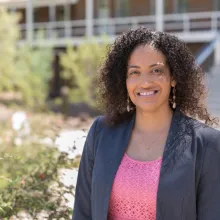
Dr. Desireé Vega is an Associate Professor in the School Psychology program at the University of Arizona. She completed her BA in psychology at SUNY-Binghamton University and MA and Ph.D. in school psychology at The Ohio State University. Dr. Vega worked as a school psychologist for the Omaha Public Schools district for three years prior to beginning her faculty career at Texas State University. Her research, teaching, and service intersect to focus on advancing the academic outcomes of culturally and linguistically minoritized students and preparing future school psychologists and researchers to engage in advocacy and implement culturally responsive practices. Dr. Vega’s research focuses on three main areas: 1) identifying best practices in the training of bilingual school psychologists; 2) preparing culturally competent school psychologists; and 3) advancing the educational success of African American, Latinx, and emergent bilingual youth. She was most recently awarded the Excellence in Graduate Teaching and Mentoring Award from the Graduate College at the University of Arizona and the New Leader Award from The Ohio State University. Dr. Vega was also named an Emerging Scholar by Diverse: Issues in Higher Education in 2017 and a Hispanic Serving Institution (HSI) Fellow in 2019.
Mary Carol Combs, Ph.D.
Professor, Teaching, Learning & Sociocultural Studies, College Education

I began my career as an ESL teacher in Washington, DC. Because my teacher’s salary didn’t cover the bills, I went to work for a non-profit organization as a bilingual education policy analyst. That was my day job. I continued to teach at night and on the weekends (I was young and energetic!). At the non-profit, one of my responsibilities was to talk to federal legislators about the role of students’ first languages in their acquisition of English. This meant I had to explain theories of second language learning, a task I often struggled with, in part because I didn’t understand these theories well enough myself. This fact led me to the University of Arizona and a doctoral program in language, reading and culture. My plan was to return to DC, but I discovered that I loved teaching and working with students. Currently, I am a professor in the Department of Teaching, Language and Sociocultural Studies, in the College of Education. My research interests include language and education policy and law, language and migration, sociocultural theory, second language acquisition, and teacher preparation for immigrant, refugee, and citizen second language learners. My published work focuses on the intersection of issues and their implications for students, teachers, and schools. I am honored and humbled to have received one of the Graduate Teaching and Mentoring Awards, particularly because I was nominated by my students, who continue to inspire me. The award is especially meaningful, because of the challenging conditions brought about by the COVID pandemic. Last year, I often questioned my ability to teach and mentor effectively. This award reminds me again that working with students is incredibly fulfilling and brings me great joy. Thank you.
THE MARGARET M. BRIEHL AND DENNIS T. RAY FIVE STAR FACULTY AWARD
Robert Stephan, Ph.D.
Assistant Professor, Religious Studies and Classics, College of Humanities
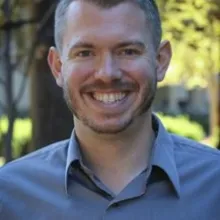
Dr. Stephan is an archaeologist by training and has taught in the University of Arizona’s Department of Religious Studies and Classics since 2016. He hails from Cincinnati, OH but made the unpopular decision to attend the University of Michigan for his undergraduate studies. While in the glorious land of maize and blue he studied Classical Archaeology, Biological Anthropology, and Near Eastern Studies. Upon completing his BA in 2005, he left the Midwest to take his talents to Stanford University's PhD program in Classics. His thesis took an archaeological perspective to look at how the Roman Empire affected economic growth in the Mediterranean world, and he earned his PhD in 2014. Rob's research interests focus on how the material remains of the past can inform us about the economic performance of pre-modern societies. His current project uses archaeological survey to look at southern Sicily from prehistory through the medieval period. Rob teaches courses on classical history and civilization, classical mythology, the reception of classics in the modern world, ancient sport and spectacle, and the Greco-Roman economy.
THE GERALD G. SWANSON PRIZE FOR TEACHING EXCELLENCE
Paul Blowers, Ph.D.
Distinguished Professor, Chemical and Environmental Engineering, College of Engineering

Dr. Blowers is a University Distinguished Professor and Full Professor in the Department of Chemical and Environmental Engineering at the University of Arizona (UA). His research interests include pedagogically based instructional innovation, using quantum chemistry techniques to characterize the environmental footprint of chemicals before they are widely deployed for use, and life cycle assessments of technology and product choices. Blowers is on the leadership team of the American Association of Universities STEM efforts at UA, is chair of the College of Engineering Faculty Advisory Committee, is the UA Sustainability Office Faculty Engagement Fellow, faculty advisor for the Arizona Home Brew Club, Rube Goldberg Team, and Omega Chi Epsilon, the chemical engineering honor society. He has been the primary academic advisor for 280 students per year until 2015.
John Pollard, Ph.D.
Professor of Practice, The Honors College
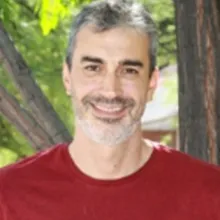
Dr. John Pollard is the Associate Dean for Academics for the UA Honors College and a Professor of Practice in the Department of Chemistry and Biochemistry at the University of Arizona. John is an award-winning educator who is the co-author of the nationally recognized Chemical Thinking curriculum and associated ebook. In addition, John has authored a number of popular YouTube and TedEd videos centered around fundamental ideas in general chemistry. He is an expert and advocate for evidence-based instructional practices and spearheaded the Collaborative Learning Space movement on campus where traditional spaces are transformed into classrooms that facilitate active learning. John is a University of Arizona Faculty Fellow where he leads a program called Student Advocates for Improved Learning (SAIL) which is designed to educate students on the best practices of learning so that they can go out into campus community and share this knowledge with their peers. Learning theories and practice are also at the center of John's research as he studies how metacognition, self-reported learning, and group interactions influence learning outcomes during active learning in Collaborative Learning Space environments.
Ashley Jordan, Ph.D.
Assistant Professor of Practice, Psychology, College of Science

Ashley C. Jordan is an Assistant Professor of Practice and Director of Online Programs for the Psychology department. Her primary research interests revolve around the scholarship of teaching and learning in online contexts in Higher Education. Specifically, she is interested in how pedagogical practices and technologies can be used and incorporated in an online environment to enhance student engagement with the instructor, with peers, and with course material. Her ultimate goal is to increase student success: meaning better learning (evidenced through improved grades) and better retention (evidenced through graduation rates and time to degree). When she's not teaching undergraduate courses, she enjoys exploring new hiking trails and spending time with her nine-year-old twin daughters.
Robert Stephan, Ph.D.
Assistant Professor of Practice, Department of Religious Studies and Classics, College of Humanities
Dr. Stephan is an archaeologist by training and has taught in the University of Arizona’s Department of Religious Studies and Classics since 2016. He hails from Cincinnati, OH but made the unpopular decision to attend the University of Michigan for his undergraduate studies. While in the glorious land of maize and blue he studied Classical Archaeology, Biological Anthropology, and Near Eastern Studies. Upon completing his BA in 2005, he left the Midwest to take his talents to Stanford University's PhD program in Classics. His thesis took an archaeological perspective to look at how the Roman Empire affected economic growth in the Mediterranean world, and he earned his PhD in 2014. Rob's research interests focus on how the material remains of the past can inform us about the economic performance of pre-modern societies. His current project uses archaeological survey to look at southern Sicily from prehistory through the medieval period. Rob teaches courses on classical history and civilization, classical mythology, the reception of classics in the modern world, ancient sport and spectacle, and the Greco-Roman economy.
Shawn Jackson
Senior Lecturer, Department of Physics, College of Science
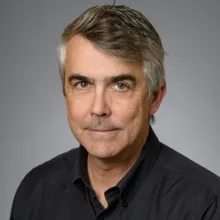
After teaching in various universities and charter schools in Louisiana, Arkansas, Alabama, and Oklahoma, Shawn Jackson moved to Tucson in August of 2005. He is currently Senior Lecturer in Physics at the University of Arizona. Shawn teaches 18 of the courses offered in the physics curriculum and teaches three different courses each semester. Shawn has traveled throughout the United States, Europe, Africa, the Middle East, Southeast Asia, Central and South America, Mexico and India. He is fluent in German. While a graduate student in physics at Washington University in St. Louis, he did research in astrophysics with Dr. Jonathan Katz. The impact of exceptional professors, especially Dr. Jack Cohn (University of Oklahoma) and Dr. Carl Bender (Washington University in St. Louis), inspired him to dedicate his career to teaching physics with an aim toward providing students with a solid foundation on which to pursue research in physics and to cultivate their own interests.
THE HENRY & PHYLLIS KOFFLER PRIZE
Vance T. Holliday, Ph.D.
Professor, School of Anthropology, College of Social and Behavioral Sciences
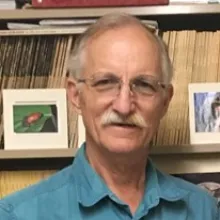
Vance Holliday is both an archaeologist and geologist who has spent much of his career reconstructing and interpreting the landscapes and environments in which past societies lived, and how these conditions evolved. Most of his geoarchaeological research has focused on Paleoindian archaeology on the Great Plains, in the Southwest, and in northwest Mexico, but also included Paleolithic sites in Russia and Ukraine. This research and interest culminated in his joining the UA faculty to direct the Argonaut Archaeological Research Fund (AARF), which is devoted to research on the geoarchaeology of the Paleoindian people of the Southwest. Since 2002 a professor in both the School of Anthropology and Department of Geosciences at the University of Arizona, and Adjunct Professor in Geography & Regional Development. Honors include the "Rip" Rapp Archaeological Geology Award of the Geological Society of America, and the Kirk Bryan Award of the G.S.A., and the Fryxell Award for Interdisciplinary Research from the Society for American Archaeology.
UNIVERSITY OF ARIZONA FOUNDATION LEICESTER & KATHRYN SHERRILL CREATIVE TEACHING AWARD
Tori Hidalgo, Ph.D.
Lecturer, Chemistry and Biochemistry, College of Science and College of Medicine-Tucson

Tori Hidalgo was born in Honolulu, Hawai’I and is now married with two beautiful daughters. She earned her bachelor’s degree in chemistry from The University of Washington. Upon earning her B.S., she moved to Tucson and completed her graduate studies at The University of Arizona. Despite having a deep interest in computational chemistry and synthesis, she developed a passion for teaching during her time working as a teaching assistant. She eventually transitioned from graduate student to instructor, teaching general chemistry lectures starting in the fall of 2009 at The University of Arizona. Initially teaching class sizes around 300 students she was asked to take on a large, 600-person lecture, in the fall of 2016.
Tori’s focus has been on building a learning team to aide in, and out, of class with student support. This team has grown with pay-it-forward motivation and has created a student experience that fosters more than an understanding of fundamental chemistry concepts. Through her team, she has been able take one of the most dreaded classes for many students and transformed it to an enjoyable and fun environment. Despite the large class size, students have described their experience as feeling like being in a small class due to the team dynamic. Many have said they feel as though they are part of community, or a “family”, while enrolled in her class.
DISTINGUISHED SCHOLARS AWARD
Lynn M. Carter, Ph.D.
Associate Professor, Planetary Sciences, College of Sciences

Dr. Carter’s research interests include volcanism and impact cratering on the terrestrial planets and Moon, surface properties of asteroids and outer Solar System moons, planetary analog field studies, climate change, and the development of radar remote sensing techniques. She is currently a a team member on five spacecraft instruments: SHARAD on Mars Reconnaissance Orbiter, Mini-RF on Lunar Reconnaissance Orbiter, RIMFAX on Mars2020, REASON on the Europa flagship mission, and Shadowcam on Korea Pathfinder Lunar Orbiter. She also uses Earth-based telescope radar observations to obtain polarimetric images of planets, the Moon and asteroids. Prior field studies using ground penetrating radar have included Kilauea lava flows and pyroclastics in Hawaii, Sunset crater and Meteor crater in Arizona, and permafrost sites near Bonanza Creek outside of Fairbanks Alaska. She is also part of a team at Goddard developing a polarimetric digital beamforming radar system for planetary or Earth orbiter missions.
Allison Gabriel, Ph.D.
Associate Professor, Management and Organizations, Eller College of Management

Dr. Gabriel’s research spans topics related to emotions, job demands and worker resources, motivation, and employee well-being. Dr. Gabriel is particularly interested in understanding these phenomena from a within-person perspective with an emphasis on event-level processes. Dr. Gabriel's research has been published in major outlets such as Academy of Management Journal, Journal of Applied Psychology, Personnel Psychology, Journal of Organizational Behavior, and Journal of Vocational Behavior, among others, and has resulted in numerous presentations and chaired sessions at the Academy of Management, American Psychological Association, and Society for Industrial and Organizational Psychology conferences. Her research has been featured by the Chicago Tribune, Economic Times, Entrepreneur Magazine, and Forbes. Her recent awards include the S. Rains Wallace Dissertation Award from the Society for Industrial and Organizational Psychology for the best dissertation in Industrial/Organizational Psychology (2014), an Outstanding Reviewer Award from the Academy of Management Organizational Behavior division (2014, 2015), a Top Rated Poster Award from the Society for Industrial and Organizational Psychology (2015), and the Paul E. Panek Endowed Scholarship in Psychology Research (2012).
Elisa Tomat, Ph.D.
Associate Professor, Chemistry and Biochemistry, College of Science and College of Medicine - Tucson

Elisa was born and raised in Italy, where she studied chemistry at the University of Trieste and graduated summa cum laude in 2001. In the fall of 2002, Elisa moved to the United States to pursue doctoral studies at the University of Texas at Austin. She joined the research group of Professor Jonathan Sessler and worked on the coordination chemistry of pyrrole-based macrocyclic ligands known as expanded porphyrins. After graduating with a Ph.D. degree in Chemistry in 2007, Elisa conducted postdoctoral research at the Massachusetts Institute of Technology in the group of Professor Steve Lippard. Her work at MIT focused on the development of fluorescent sensors for the detection of biological zinc. Elisa joined the faculty of the Department of Chemistry and Biochemistry at the University of Arizona in 2010 and is now an Associate Professor. For her work as an academic scholar and educator, Elisa is the recipient of a 2015 National Science Foundation CAREER Award, the 2016 University Award for Excellence in Campus Outreach for STEM Diversity, and the 2017 College of Science Innovation in Teaching Award. Elisa is currently the Donna B. Cosulich Faculty Fellow in the Department of Chemistry and Biochemistry.
EARLY CAREER SCHOLARS AWARD
Jameson D. Lopez, Ph.D.
Assistant Professor, Educational Policy Studies & Practice, College of Education
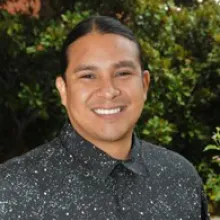
Jameson D. Lopez is an enrolled member of the Quechan tribe located in Fort Yuma, California. He currently serves as an Assistant Professor in the Center for the Study of Higher Education at the University of Arizona. He studies Native American education using Indigenous statistics and has expertise in the limitations of collecting and applying quantitative results to Indigenous populations. From his early adolescence, he traveled to Native nations across the United States to encourage and recruit students to pursue higher educations. During this time, He observed many students succeed and fail to accomplish their postsecondary goals. Considering these experiences, and experiences in students affairs, he recognized contemporary mainstream postsecondary persistence theories diverged from his understandings of influences on Native American postsecondary persistence. As an Indigenous quantitative researcher with expertise in the limitations of collecting and applying quantitative results to Native American populations, he tends to examine research through tribal critical race theory which contends governmental policies toward Native American focus on the problematic goal of assimilation.
Antonio “Tom-Zé” Bacelar da Silva, Ph.D.
Assistant Professor, Center of Latin American Studies, College of Social and Behavioral Sciences
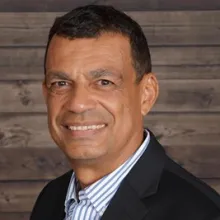
Antonio José Bacelar da Silva earned his Ph.D. in Linguistic and Sociocultural Anthropology from the University of Arizona in December 2012. He also holds an M.A. in Second Language Studies from the University of Hawai’i at Manoa. Before joining the Center for Latin America Studies at the University of Arizona, he was a CAPES (Brazil) Postdoctoral Research and Teaching Fellow in the Graduate Studies in Language and Culture at the Universidade Federal da Bahia (Salvador, Brazil) from 2014-2016. During that period, he conducted ethnographic research on the impact of electoral campaigning with a race appeal on Afro-Brazilian voters in Salvador. Funded by CAPES and a Post-Ph.D. Wenner-Gren grant, this study focuses on Afro-Brazilians’ struggle to reconcile Brazil’s dominant ideology of race mixing, the obligations of liberal citizenship (to treat people as equal citizens), and government policies on affirmative action.
He is currently interested in the intersections of race, class, and citizenship on democratic participation in and beyond Brazil. His teaching and research interests also include social theory, qualitative research methods, language and culture, identity (race, gender, class), language ideology and inequality.
Lindsay Montgomery, Ph.D.
Assistant Professor, School of Anthropology, College of Social and Behavioral Sciences

Lindsay M. Montgomery is an anthropological archaeologist whose work seeks to create complex counter-histories focused on Indigenous persistence, resistance, and survivance in the North American West. Her work particularly focuses on the material and social histories of equestrian communities living in the Southwest and Great Plains from the 16th-20th centuries. Her research employs a collaborative and multi-disciplinary approach, which brings together archaeological, archival, oral historical, and ethnographic sources to understand interethnic interactions among Indigenous Peoples and with European settlers. Her current research revolves around a collaborative research project with Picuris Pueblo in northern New Mexico. This work explores the evolving social and economic relationship between Picuris Pueblo, other Pueblo communities, the Jicarilla Apache, and Hispano settlers through an investigation of agricultural practices at the Pueblo between 1400-1750 CE.
Laura Condon, Ph.D.
Assistant Professor, Hydrology and Atmospheric Sciences, College of Sciences
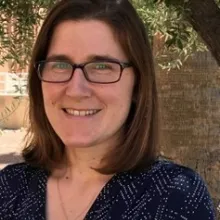
Laura Condon is an Assistant Professor in the Department of Hydrology and Atmospheric Sciences. She received a BS in Environmental Engineering from Columbia University, and got her MS and PhD in Hydrologic Science and Engineering from the Colorado School of Mines. In addition to her academic experience, she worked as an engineering consultant (2008-2011) and as a hydrologist for the Bureua of Reclamation (2011-2015) working on water resources management issues in Colorado and across the Western US. Prior to joining the faculty at UA, Dr. Condon was an assistant professor in the Department of Civil and Environmental Engineering at Syracuse University. Dr. Condon is interested in large-scale water sustainability and the dynamic behavior of managed hydrologic systems in the context of past development and future climate change. Her work combines physically based numerical modeling with observations and statistical techniques to evaluate large systems using rigorous quantitative methods.
Stefano Bloch, Ph.D.
Assistant Professor, School of Geography and Development, College of Social and Behavioral Sciences

Stefano Bloch is a cultural geographer who conducts research on neighborhood change, gentrification, criminality/criminalization, policing, and identity with expertise in LA-based gangs, the history and theorization of graffiti as a socio-spatial practice, and the use of ethnographic and autoethnographic research methods. Dr. Bloch currently teaches Crime and the City, Cultural Geography, and Geographical Research Methods at the undergraduate level and History of Geographic Thought, Urban Geography, and Cultural Geography at the graduate level. Bloch is currently doing research on highly granular and nuanced contributions to displacement based on the effects of affective and aversive racism in the context of gentrification. Dr Bloch is faculty in the Graduate Interdisciplinary Program in Social, Cultural, and Critical Theory and affiliated with the Institute for LGBT Studies and the Center for Latin American Studies. Stefano Bloch is also a member of the Arizona Advisory Council for the National Geographic Society and serves on the college's Diversity and Inclusion Committee.
Jessica Brown, Ph.D., CCC-SLP
Assistant Professor, Speech, Language, and Hearing Sciences, College of Science
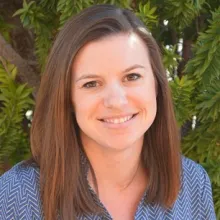
Jessica Brown, Ph.D., CCC-SLP, brings expertise in traumatic brain injury and AAC (Augmentative/Alternative Communication) when she joins our tenure-track faculty in August 2017. Dr. Brown received her MS and PhD from the University of Nebraska. Her research is focused on the development and validation of assessment and treatment protocols for individuals who have experienced traumatic brain injury. She also investigates augmentative and alternative communication strategies for individuals with significant communication impairments. As Assistant Professor, Dr. Brown teaches in her specialty areas of traumatic brain injury and augmentative and alternative communication.
OUTSTANDING POSTDOCTORAL SCHOLAR AWARD
Irene Shivaei, Ph.D.
Postdoctoral Research Associate, Department of Astronomy and Steward Observatory, College of Science
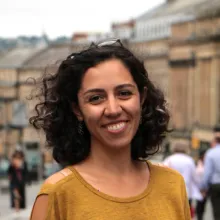
Irene Shivaei is a NASA Hubble fellow and a postdoctoral scholar in the Astronomy Department and at the Steward Observatory. She uses the largest telescopes on Earth and in space to study how distant galaxies were formed and have evolved throughout the history of the universe. She has more than 45 peer-reviewed articles and is a member of the James Webb Space Telescope (JWST) science team. JWST is the successor of the Hubble Space Telescope and is planned to launch in October 2021. Irene received her Ph.D. in Physics from University of California at Riverside, while she was an NSF Graduate Research Fellow. She completed her undergraduate in Physics at University of Tehran in Iran. Her passion in outreach and education has led her to initiate multiple public outreach programs throughout the years, such as Mentoring and Education in Science for Tucson (MESCIT).
EXCELLENCE IN POSTDOCTORAL MENTORING AWARD
George Gehrels, Ph.D.
Professor, Geosciences, College of Science

George Gehrels grew up in Tucson and completed his BS in Geosciences here at the University of Arizona. He then completed a MS at the University of Southern California and PhD at Caltech, and was very fortunate to be able to return to the University of Arizona as an Assistant Professor in 1985. Research activities have focused on using geochronology to reconstruct the geologic evolution of many different regions of the world. This has been an exciting area of research given the nexus of technological advances that provide more precise and accurate information about the timing of events and processes in Earth history, breakthroughs in understanding how the Earth system works. Moreover, the research has affirmed the realization that predicting how our world will change in the future depends on understanding how it evolved in the past. Fundamental to making progress in these research endeavors have been the amazing students, post-docs, and faculty colleagues here in the Department of Geosciences. In terms of education, Dr. Gehrels especially enjoys teaching large sections of General Education courses, watching "the lights come on" as students begin to appreciate the beauty and complexity of our natural world.
2020 University of Arizona Distinguished Faculty Awards
University Distinguished Awards
GRADUATE TEACHING AND MENTORING AWARDS
Ian L. Pepper, Ph.D.
Department of Environmental Science, WEST Center, College of Agriculture and Life Sciences
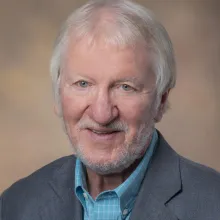
Dr. Pepper is an environmental microbiologist whose research has focused on the fate and transport of pathogens in air, water, soils and municipal wastes. More recently, he has investigated the potential for real-time detection of contaminants in water distribution systems. Dr. Pepper is Professor in the Community, Environment, and Policy Department in the UA College of Public Health, as well as Professor in the Department of Agricultural and Biosystems Engineering. In addition to his duties at the WEST Center, he is director of the National Science Foundation Water Quality Center at the UA. He also teaches a graduate level laboratory class on Environmental Microbiology, and an undergraduate class on Pollution Science.
He has co-authored numerous books and journal articles on Environmental Microbiology and Pollution Science, and is a fellow of the American Association for the Advancement of Science, the American Academy of Microbiology, the American Society of Agronomy, and the Soil Science Society of America. He received his Ph.D. in Soil Microbiology from The Ohio State University, M.S. in Soil Biochemistry from Ohio State, and B.S. in Chemistry from the University of Birmingham, Great Britain.
Melissa L. Tatum, J.D.
James E. Rogers College of Law

Professor Tatum specializes in tribal jurisdiction and tribal courts, as well as in issues relating to cultural property and sacred places. She was a contributing author to Felix Cohen’s Handbook of Federal Indian Law, and has written extensively about both civil and criminal procedural issues, as well as about the relationship between tribal, state, and federal courts. Professor Tatum consulted with the Pascua Yaqui Tribe as it became one of the first in the nation to implement VAWA 2013’s special domestic violence criminal jurisdiction. She has also served on task forces in Michigan and New Mexico charged with developing procedures to facilitate cross-jurisdictional enforcement of protection orders, and has taught seminars on domestic violence and protection orders throughout the United States for judges, attorneys, law enforcement, and victim advocates, including at the National Tribal Judicial Center. Between 1999 and 2006 she served as a judge on the Southwest Intertribal Court of Appeals. Professor Tatum joined the University of Arizona faculty in January 2009, after serving as a faculty member at the University of Tulsa for more than thirteen years.
THE MARGARET M. BRIEHL AND DENNIS T. RAY FIVE STAR FACULTY AWARD
Faten Ghosn, Ph.D.
School of Government and Public Policy, College of Social and Behavioral Sciences
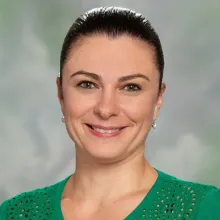
Dr. Ghosn is an Associate Professor in the School of Government and Public Policy, as well as Director of Undergraduate Studies. She earned a BA and MA from American University in Beirut, followed by her Ph.D. from Pennsylvania State University. Her research and teaching interests focus on the interaction of adversaries, be they conflictual or cooperative. In particular, she has been interested in how such actors handle their disagreements. A common theme running throughout her professional interests is the importance of the choice of strategy that is picked by the adversaries to manage their conflicts. Her work has been published in multiple journals.
THE GERALD G. SWANSON PRIZE FOR TEACHING EXCELLENCE
Susan M. Knight
Journalism, College of Social and Behavioral Sciences

After working for more than a decade as a journalist, Susan Knight began teaching her skills in research, reporting, writing, and critical thinking to students at the University of Arizona, where she became engaged in best practices in teaching. During her 25 years in the School of Journalism, Knight’s work has been crucial in the School’s curriculum design and assessment. She has created innovative partnerships in the community, including an apprenticeship at the Arizona Daily Star, where hundreds of students in the past 15 years have gained experience in a professional newsroom along with bylines. Knight has also mentored faculty on teaching and assessment, worked with students to form 10 clubs associated with professional journalism organizations and has taken students to Washington DC as part of her course “Inside the Beltway: Press, Politics, and Power in DC,” meeting with dozens of journalists and influencers, many of them Wildcat alumni. In her classes, Knight builds a learning community that encourages personal responsibility for learning as well as excitement for life-long learning.
Knight earned bachelor’s and master’s degrees from the University of Arizona in journalism, nearly 20 years apart. In 1986-87 she was a Kellogg Fellow in the University of Michigan’s Journalism Fellows Program, where she focused on the intersection of public policy-making and public affairs reporting. In 2019, Knight completed a Writer in Residence at Wellspring House, Ashland, Massachusetts, and a fellowship examining social media practices at C-SPAN in Washington D.C.
Lisa Rezende, Ph.D.
Department of Molecular and Cellular Biology, College of Science

Dr. Lisa Rezende is an Associate Professor of Practice in the Department of Molecular and Cellular Biology at the University of Arizona. Her work focuses primarily on implementing evidence-based learner-centered teaching practices in various settings, from large lecture courses to smaller workshops. She has worked in online education since 2008, developing and teaching 100% online asynchronous versions of several existing courses, helping other faculty adapt their courses to online modalities, and creating an online version of Introductory Biology Lab in 2017. This spring, she collaborated on a project looking at the effective use of learning assistants in online classes. She currently coordinates the online education program and Introductory Biology course in the Department of Molecular and Cellular Biology. As a first-generation college graduate, Dr. Rezende seeks out opportunities to promote inclusive practices. She is a member of the Molecular and Cellular Biology Team for the Council for Undergraduate Research Transformation Project (CUR-TP), which focuses on identifying facilitators and barriers to undergraduate research and increasing scientific inquiry skills throughout the curriculum.
Throughout her career, she has worked on many aspects of public understanding of science, from formal biology education of UA students to informal STEM education in the community. She brings that experience to her 100% engagement course on STEM outreach, teaching undergraduate students how to communicate science to various audiences. Her students go into the community and practice their skills at local K-12 schools and events hosted by local organizations, including Southern Arizona Research, Science, and Engineering Foundation and the Children’s Museum Tucson. For the past decade, Dr. Rezende has also worked with national nonprofit cancer organizations to help create and assess patient-facing materials focusing on genetic testing and understanding media reports of cancer research. She currently serves on steering and advisory committees for several collaborative patient advocacy programs.
Robert A. Williams, Jr., J.D.
James E. Rogers College of Law
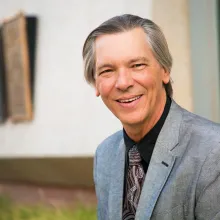
Robert A. Williams, Jr. is the Regents Professor, E. Thomas Sullivan Professor of Law and Faculty Co-Chair of the University of Arizona Indigenous Peoples Law and Policy Program. Professor Williams received his B.A. from Loyola College (1977) and his J.D. from Harvard Law School (1980). He was named the first Oneida Indian Nation Visiting Professor of Law at Harvard Law School (2003-2004), having previously served there as Bennet Boskey Distinguished Visiting Lecturer of Law. He is the author of The American Indian in Western Legal Thought: The Discourses of Conquest (1990), which received the Gustavus Meyers Human Rights Center Award as one of the outstanding books published in 1990 on the subject of prejudice in the United States. He has also written Linking Arms Together: American Indian Treaty Visions of Law and Peace, 1600-1800 (1997) and Like a Loaded Weapon: The Rehnquist Court, Indian Rights and the Legal History of Racism in America (2005). He is co-author of Federal Indian Law: Cases and Materials (6th ed., with David Getches, Charles Wilkinson, and Matthew Fletcher, 2011). His latest book is Savage Anxieties: The Invention of Western Civilization (Palgrave Macmillan 2012). The 2006 recipient of the University of Arizona Koffler Prize for Outstanding Accomplishments in Public Service, Professor Williams has received major grants and awards from the Soros Senior Justice Fellowship Program of the Open Society Institute, the John D. and Catherine T. MacArthur Foundation, the Ford Foundation, the National Endowment for the Humanities, the American Council of Learned Societies, the U.S. Department of Education, the U.S. Department of Justice, and the National Institute of Justice. He has been interviewed by Bill Moyers and quoted on the front page of the New York Times.
THE HENRY & PHYLLIS KOFFLER PRIZE
G. Dirk Mateer, Ph.D.
Department of Economics, Eller College of Management

Dr. Mateer is a Senior Lecturer in Economics. He joined the Eller College of Management in 2014. In addition to teaching at Eller, he has also taught at the University of California-San Diego, the University of Kentucky, Penn State University, Grove City College and Florida State University. In 1991, he earned his PhD in Economics from Florida State University. His area of expertise is economic education.
His Principles of Economics course has helped more than 30,000 students understand and appreciate the core concepts in econ. Dirk’s use of pop culture is part of his signature teaching style. He’s collected many of the resources he uses in class to help you learn econ and have fun in the process.
UNIVERSITY OF ARIZONA FOUNDATION LEICESTER & KATHRYN SHERRILL CREATIVE TEACHING AWARD
Joela M. Jacobs, Ph.D.
Department of German Studies, College of Humanities
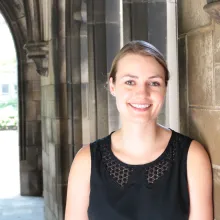
Dr. Joela Jacobs is Assistant Professor of German Studies, and she is affiliated with the Institute of the Environment, the Department of Gender and Women’s Studies, and the Arizona Center for Judaic Studies. She earned her Ph.D. in Germanic Studies at the University of Chicago, where she subsequently held a postdoctoral position as Humanities Teaching Scholar. Prior to coming to the US from Germany, she studied at the Universities of Bonn, St. Andrews, and the Freie Universität Berlin to receive her M.A. in German and English Philology.
Dr. Jacobs’ research focuses on 19th-21st century German literature and film, Animal Studies, Environmental Humanities, Jewish Studies, the History of Sexuality, and the History of Science. She has published articles on monstrosity, multilingualism, literary censorship, biopolitics, animal epistemology, zoopoetics, critical plant studies, cultural environmentalism, and contemporary German Jewish identity. She also founded the Literary and Cultural Plant Studies Network together with Isabel Kranz (Vienna) and the help of Dani Stuchel (Tucson).
Currently, she is working on a monograph that examines a preoccupation with non-human forms of life in the micro-genre of the literary grotesque (die Groteske) around 1900, which begins with Oskar Panizza’s neo-romantic work in the 1890s, becomes a central element of modernism with authors such as Hanns Heinz Ewers and Salomo Friedlaender, and culminates in Franz Kafka’s unique oeuvre. This genre creates a field of artistic experimentation that allows for the transgression of categories such as species, race, and gender by introducing a nonhuman perspective on sexual and linguistic normativity. The vegetal, animal, and marginalized human figures at the center of these grotesque texts challenge biopolitical measures of control through, for instance, their non-conformity with standard human language. This linguistic limitation is reinforced by the genre’s response to mechanisms of literary censorship, which resulted in new modes of expressing political dissent during modernity’s language crisis. One of these central strategies is the texts’ provocative use of grotesque humor vis-à-vis normative conceptions of what it means to be human, which also marks the genre’s distinct historical scope, as it perceptively critiques the rise of the New Human from 19th-century physiognomy to the wake of the Nazi rule.
DISTINGUISHED SCHOLARS AWARD
Ali Behrangi, Ph.D.
Department of Hydrology and Atmospheric Sciences, College of Science
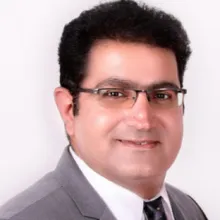
Dr. Behrangi is a University Distinguished Scholar and Associate Professor in the department of Hydrology and Atmospheric Science, a Joint Associate Professor in Civil Engineering-Engineering Mechanics and Geosciences. He joined the Department of Hydrology and Atmospheric Sciences at the University of Arizona as an associate professor in January 2018. His doctoral work at the University of California, Irvine was on developing high-resolution precipitation products using satellite images and his postdoctoral work at California Institute of Technology (Caltech) and Jet Propulsion Laboratory ( JPL) was on analysis of cloud and precipitation products from multiple sensors. As a NASA JPL scientist (2012-2018) he was involved in several projects (as principal investigator or co-investigator) on various topics including precipitation retrieval, pathfinder for microwave sounding instrument, tropical cloud and precipitation, water and energy budget studies, GRACE based water storage anomaly, hydrologic modeling, extreme weather and climate studies, mission concept and proposal development, and using diverse data sets across multiple disciplines to quantify precipitation amount and distribution over cold regions. He co-led efforts for extending the application of the Atmospheric Infrared Sensor data to drought monitoring in support of the U.S. drought monitor. Current research within his group at the University of Arizona follows his previous interests and, given the recent project grants, will also include advancing the global precipitation climatology project in high latitudes using diverse data sets. He also contributes to the efforts in support of the Earth Dynamics Observatory goals at the University of Arizona, the international precipitation working group (IPWG), and WCRP/GEWEX weather and climate extreme grand challenges.
Kacey Ernst, Ph.D., M.P.H.
Department of Epidemiology and Biostatistics, Mel and Enid Zuckerman College of Public Health

Dr. Kacey C. Ernst joined the College of Public Health Department of Epidemiology in 2008 as an infectious disease epidemiologist. She holds faculty appointments in the Entomology and Insect Science GIDP, Arid Lands and Resources GIDP, and the Global Change GIDP, as well as in the Department of Geography and the School of Animal and Comparative Biomedical Sciences. Her work broadly focuses on vector-borne diseases with a focus on defining emergence patterns as a result of climatic and other environmental changes and working with community partners to develop acceptable, sustainable solutions for preventing transmission. Working with partners from the National Center for Atmospheric Research she has examined both the long-term projections for climatic change on disease patterns and how weather variability impacts seasonal transmission. She is involved in projects to develop early warning systems that can inform not only public health partners but also the general public. In 2013 she received the Woman of the Year award in Tucson for her work on malaria in Kenya. She has co-led efforts to examine how women can be better engaged in the response to vector-borne disease threats and to promote their leadership in prevention efforts. Her research has been recognized nationally and internationally. During the Zika pandemic she testified before Congress and has presented her work at the National Academy of Sciences.
Dr. Ernst is also committed to bridging academic research with public engagement. She regularly engages in science communication and is a 2017 AAAS Public Engagement Fellow. She has an interest in using technology to provide information to the public and developed a mobile application to engage communities in dengue response. More recently she worked with partners at the University of Arizona to develop the AZCOVIDTXT project which provides updated COVID-19 prevention information to Arizonans.
Jonathan Sprinkle, Ph.D.
Department of Electrical and Computer Engineering, College of Engineering
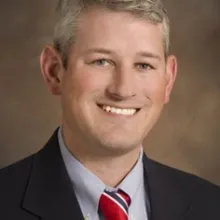
Dr. Jonathan Sprinkle is the Litton Industries John M. Leonis Distinguished Associate Professor of Electrical and Computer Engineering at the University of Arizona. In 2013 he received the NSF CAREER award, and in 2009, he received the UArizona’s Ed and Joan Biggers Faculty Support Grant for work in autonomous systems. His work has an emphasis for industry impact, and he was recognized with the UArizona “Catapult Award” by Tech Launch Arizona in 2014, and in 2012 his team won the NSF I-Corps Best Team award. His research interests and experience are in systems control and engineering, and he teaches courses ranging from systems modeling and control to mobile application development and software engineering.
Before coming to Arizona, Dr. Sprinkle was the co-Team Leader of the Sydney-Berkeley Driving Team, a collaborative entry into the DARPA Urban Challenge with partners Sydney University, University of Technology, Sydney, and National ICT Australia (NICTA). In 2004, he led a team from UC Berkeley which autonomously flew against an Air Force pilot in autonomous pursuit/evasion games in the Mojave Desert at Edwards Air Force Base (the UAV successfully targeted the human pilot). In his teaching career spanning Arizona, Berkeley, and Vanderbilt, he has taught or largely assisted in the graduate courses on hybrid systems, unmanned systems, and model-integrated computing. Dr. Sprinkle graduated with the Ph.D. from Vanderbilt University, and with his MS in 2000. He graduated with his BSEE in cursu honorum, cum laude, from Tennessee Tech University in Cookeville, TN, in 1999, where he was the first graduate of the Computer Engineering program, and the first Electrical Engineering double major.
Dr. Ernst graduated from Lawrence University in 1997 with a BA in Chemistry and from the University of Michigan with an MPH (2001) and PhD (2006) in Epidemiology.
EARLY CAREER SCHOLARS AWARD
Ann Shivers-McNair, Ph.D.
Department of English, College of Social and Behavioral Sciences

Dr. Shivers-McNair is a faculty in the English Department and the Director of the Professional and Technical Writing Program. She studies writing, rhetoric, and design in professional and community contexts, like technology companies and makerspaces, as well as in academic classrooms and programs. Her book, Beyond the Makerspace: Making and Relational Rhetorics, is forthcoming from the University of Michigan Press, and her work also appears in journals, edited collections, and conference proceedings. She has received national awards for her coauthored work, including the 2018 Society of Technical Communication Frank R. Smith Distinguished Article Award, and she is an associate editor of Technical Communication Quarterly. At the University of Arizona, she is the director of professional and technical writing in the English Department, affiliated faculty in the School of Information, and a co-organizer of UX@UA, a user experience professional community in Tucson, Arizona.
Vasiliki (Vicky) Karanikola, Ph.D.
Department of Chemical and Environmental Engineering, College of Engineering

Dr. Karanikola is an Assistant Professor of Chemical and Environmental Engineering. Prior to her assistant professor position at the ChEE UA, Dr. Vicky Karanikola was a postdoctoral fellow at the Chemical and Environmental Engineering department at Yale University. Dr. Karanikola has an interdisciplinary engineering background combining a BS in Mechanical Engineering from the Technological Educational Institute of Central Macedonia, Greece an M.Sc. degree in Civil Engineering from San Diego State University (SDSU), and both M.Sc. and Ph.D. degrees in Environmental Engineering from the UA. Her Ph.D. research focused on off-grid water and wastewater treatment through hybrid thermal processes (Membrane Distillation) and Nanofiltration. During her postdoctoral appointment she focused on membrane material synthesis and modification for water and wastewater treatment.
Alongside with her academic career, she is very strongly involved with EWB (Engineers without Borders), an organization that works on engineering projects in developing communities. She served as the mentor of the UA chapter and is currently involved with the EWB-USA headquarters as the vice president of the EWB Mountain Region Steering Committee. Dr. Karanikola’s research work with marginalized communities at Tribal Nations was recently recognized with the Agnese Nelms Haury Program in Environment and Social Justice Faculty fellowship.
Caleb Simmons, Ph.D.
Department of Religious Studies and Classics, College of Humanities

Dr. Caleb Simmons (Ph.D. in Religion, University of Florida) specializes in religion in South Asia, especially Hinduism. His research specialties span religion and state-formation in medieval and colonial India to contemporary transnational aspects of Hinduism. His book Devotional Sovereignty: Kingship and Religion in India (Oxford University Press, 2020), examines how the late early modern/early colonial court of Mysore reenvisioned notions of kingship, territory, and religion, especially its articulations through devotion. He is currently working on a second monograph, Singing the Goddess into Place: Folksongs, Myth, and Situated Knowledge in Mysore, India that examines popular local folksongs that tell the mythology of Mysore’s Chamundeshwari and her consort Nanjundeshwara. He also edited (with Moumita Sen and Hillary Rodrigues) and contributed to Nine Nights of the Goddess: The Navaratri Festival in South Asia (SUNY Press 2018) a collected volume that focuses on various aspects of the important festival of Navaratri. He also has publications and continuing research interests related to a broad range of contemporary topics, including ecological issues and sacred geography in India; South Asian diaspora communities; and material and popular cultures that arise as a result of globalization—especially South Asian religions as portrayed in comic books and graphic novels. He teaches courses on Hinduism, Indian religions, and method and theory of Religious Studies.
OUTSTANDING POSTDOCTORAL SCHOLAR AWARD
Rachel A. Neville, Ph.D.
Department of Mathematics and Statistics, College of Science
Rachel Neville is the Hanno Rund Postdoctoral Research Associate in the Department of Mathematics. Her research is in topological data analysis, using the geometric structure of data to characterize complex patterns. She has been at the University of Arizona since 2017. She earned her Ph.D. from Colorado State University in mathematics. In addition to mathematics, Rachel is passionate about mentoring. This fall, with colleagues in the math department, she launched a Women in STEM Mentorship project that connects first-year STEM women with a small group of peers and an upper-class-women mentor. The project is designed to build a sense of belonging, self-efficacy, and resilience in the participants through close mentoring.